Polygon Matic News: Latest Developments in the MATIC Ecosystem
Polygon’s MATIC ecosystem is evolving fast, with recent key upgrades—like the Rio payments hard fork, the MATIC-to-POL migration, and major institutional partnerships—shaping the network’s future. These developments aim to boost speed, scalability, and token utility, while new collaborations signal growing real-world adoption in Web3 and beyond.
1. Breaking News: Rio Upgrade Turns Polygon into a Payments Powerhouse
The Rio upgrade—described as Polygon’s biggest payments-focused enhancement—just went live on mainnet. It brings a fresh block production model (VEBloP) capable of handling up to 5,000 transactions per second. That’s faster, more stable, and with near-instant finality. Nodes are now stateless too, lowering computational barriers especially for lightweight participants.
Beyond the raw speed, Rio wipes out reorg risks. That means better reliability and less frustration for DeFi apps, wallets, and institutions. It’s not just about boosting performance—it’s about making Polygon more accessible to builders and payment players alike.
2. The Token Shake‑Up: From MATIC to POL and “Hyperproductive” Utility
Polygon’s native token, MATIC, has officially transitioned to POL (Polygon Ecosystem Token). It’s a 1:1 migration, automatic for stakers, with no hard deadline.
This isn’t a cosmetic swap. POL is deemed “hyperproductive” by Polygon Labs CEO Marc Boiron:
“POL goes one step further… it becomes hyperproductive in the sense that it can actually earn fees from multiple different sources.”
Unlike MATIC—earning mainly gas and staking fees—POL can earn fees from new activities: staking for data availability, decentralizing sequencing, plus more opportunities later. This supercharges its utility, aligns token economics with network growth, and supports new modular architecture under Polygon 2.0.
3. AggLayer & Supernets: Blueprint for a Unified, Scalable Web3
Polygon’s bigger picture involves AggLayer—a cross-chain aggregation layer that stitches together chains using zero-knowledge proofs. It’s the backbone of the Supernet architecture in Polygon 2.0.
Testnet v0.2 launched earlier, enabling aggregate liquidity across chains and boosting interoperability. Plus, Polygon aims for “gigagas”—scaling to 100,000 TPS globally.
All this is more than hype. It’s a vision: a modular, composable blockchain ecosystem where builders update parts, not entire stacks. That’s what keeps Polygon competitive in the crowded Layer‑2 race.
4. Institutional Momentum and Real‑World Projects
Institutional and enterprise interest is climbing for Polygon. Here’s what’s standing out:
-
Calastone (managing over £250 billion monthly) is launching tokenized fund share distribution across 4,500 institutions via Polygon, using near-instant, low-fee on-chain settlement.
-
Reliance Jio is testing “JioCoin” built on the Polygon blockchain.
-
Polygon powered institutional bonds: NRW.BANK issued a €100M blockchain bond under German law—yet another real-world use case.
-
Massive NFT activity: Polygon surpassed Ethereum’s weekly NFT sales with $24 million, signaling strong traction in digital collectibles.
These moves show Polygon is going beyond the crypto bubble—it’s powering payments, finance, tokenization, and consumer-facing brands.
5. Ecosystem Health: Gaming, DeFi, Grants & Community Buzz
There’s bunch of good stuff bubbling up:
-
Gaming is booming: 129% user growth in 30 days, 812k active wallets, and over 2.5 million transactions all fired up in one month.
-
DeFi projects and interest are rising. Katana (a new DeFi chain on Polygon) launched with strong liquidity. Miden and Billions push ZK and institutional DeFi infrastructure.
-
Developer awards: Polygon relaunched Polygon Village, offering $78 million in MATIC grants, mentorship, vouchers, and workspace support.
-
Governance changes: Sandeep Nailwal stepped in as CEO of Polygon Foundation to steer growth with clarity, while Marc Boiron continues leading Labs.
-
Community wins: Polygon sponsored the r/CryptoCurrency subreddit, distributing $5,000 in POL to creators. And Polymarket, an active app on Polygon, saw trading go up a lot and raised $2B at a $9B valuation.
-
Vitalik Buterin praised Polygon’s Ethereum scaling work and leadership in ZK.
All that suggests Polygon isn’t just building—it’s rallying community, enterprise, innovation.
6. Risks & Market Sentiment
Not everything’s sunshine:
-
Coinbase delisted Polygon following a major upgrade.
-
Upbit halted Polygon deposits/withdrawals in December 2025 during emergency upgrade after block production halted briefly.
-
Activists on governance forums are pushing for tokenomics overhaul, reflecting investor frustration over price underperformance.
-
Some community members voice concerns. A Redditor warned that migration and unclear direction might continue to drag price down, even while praising institutional builds.
So while the tech and adoption look promising, ecosystem stability and market trust need watching.
7. Price Outlook and Technical Catalysts
Here’s how price forecasts look:
-
Analysts see a medium-term target of $0.45–$0.52, with a breakout above $0.58 resistance unlocking more upside. That aligns with the looming AggLayer v0.3 upgrade.
-
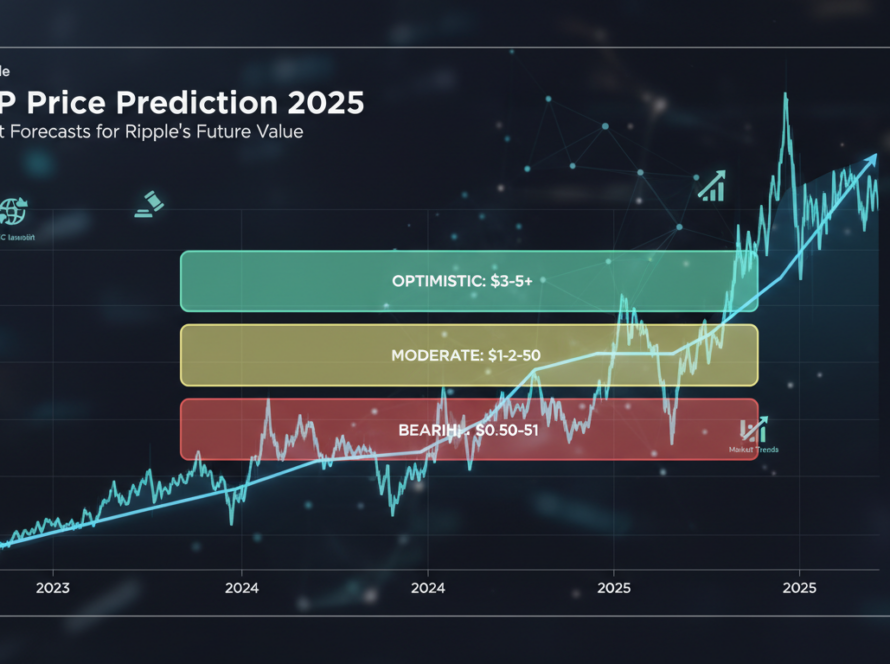
On the optimistic side, some forecasts expect $1 by 2025, and $3–$4 between 2026 and 2028 if Ethereum growth and regulatory clarity align.
-
Pessimistic scenarios warn of stagnation, erosion, or a drop below $0.05 if competition and token inflation overwhelm demand.
-
Despite price struggles, Polygon’s bridged TVL remains above $7.3 billion. Initiatives like Open Money Stack (for stablecoin payments) and the Rio hard fork fuel infrastructure growth.
So price is choppy, but there are structural shifts and catalysts investors will track closely.
Conclusion
Polygon’s ecosystem is transforming. The Rio payments upgrade brings unmatched speed and stability. The MATIC-to-POL migration powers richer utility and sustainable incentives. AggLayer and Supernet architecture set the stage for modular, cross-chain scale. Institutional projects, NFTs, gaming, and grants demonstrate real-world traction. But risks—from token price pressure to exchange actions—remain. Investors and builders will watch technical upgrades and adoption carefully to read the next chapters.
FAQs
Q: What is the Rio upgrade and why does it matter?
Rio is Polygon’s biggest payment-focused update. It introduces VEBloP block production with 5,000 TPS, stateless validation, and near-instant finality—boosting speed, reliability, and accessibility for builders.
Q: How does POL differ from MATIC?
POL replaces MATIC 1:1 and adds “hyperproductive” features. Besides gas and staking fees, POL can now earn from data availability staking, sequencing, and more, making it more valuable long-term.
Q: What is AggLayer and why is it important?
AggLayer is Polygon’s aggregation layer that links multiple chains via zero-knowledge proofs. It powers modular Supernets and supports cross-chain liquidity, driving scalability and composability.
Q: Are institutions using Polygon?
Yes. Polygon hosts Calastone’s tokenized fund distribution, NRW.BANK’s €100M bond issuance, and Reliance Jio’s JioCoin testing. That signals growing institutional adoption.
Q: What’s the state of Polygon’s gaming and DeFi ecosystems?
They’re booming. Gaming sees over 129% growth in active users and millions of transactions. DeFi chains like Katana and privacy layers like Miden are gaining traction.
Q: What are price forecasts for POL/MATIC?
Short-term predictions see $0.45–$0.52 targets, especially if resistance is broken. Optimistic analysts hint at $1–$4 in following years, while pessimists warn of stagnation or drop, depending on market and tokenomics.